Precise removal of soot, carbon deposits, paint residue and stubborn surface contamination from delicate stone and architectural detail.
Explore laser restorationSpecialist surface restoration / Lebanon
Restore the character.
Remove the years.
Controlled laser and low-pressure steam restoration for traditional stone houses, villas, detailed façades and interior chimneys.
Built around the surface
Inspect. Test. Restore. Protect.Every recommendation begins with the material, contamination and condition of the site.01Test patch firstMethod confirmed before full restoration
02Surface-led planPressure, heat and dwell time are controlled
03Written scopeClear inclusions before scheduling
04Lebanon-wideSite assessment subject to location
01
Why specialist restoration
Old stone needs a measured hand.
Lebanon's limestone, sandstone, lime mortar and decorative details can be damaged by aggressive pressure. We select the process after inspecting the substrate, staining, access and runoff conditions.
One team coordinates inspection, treatment planning and final handover.
Services
The right method.
Not more force.
Choose a service to see where it fits. Final suitability is confirmed by inspection and a discreet test patch.
Low-pressure, high-temperature treatment for organic growth, traffic film and atmospheric dirt on façades, terraces and paths.
Explore steam restorationInterior soot removal, hearth detailing and smoke-mark treatment with protection for adjacent floors and finishes.
Explore chimney restorationControlled surface preparation before pointing, sealing, painting or conservation work, coordinated around the next trade on site.
Discuss your project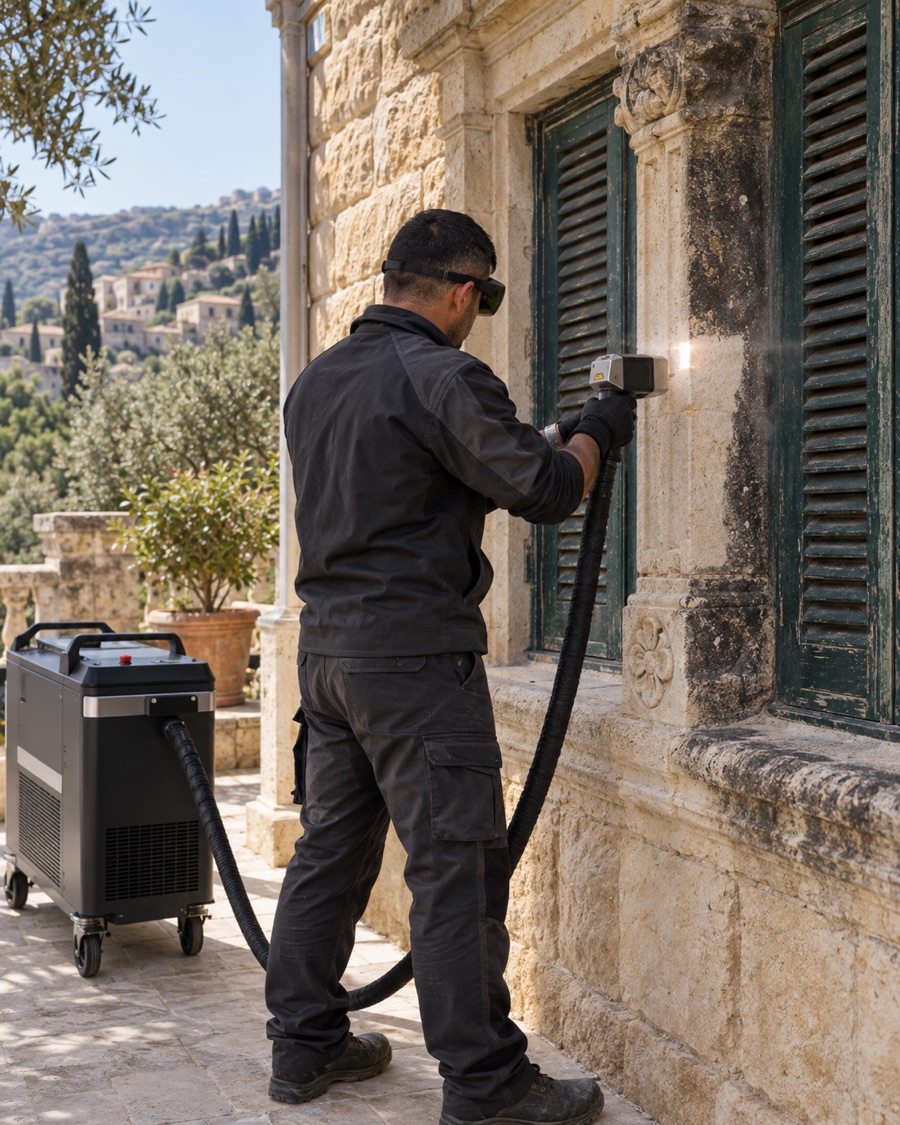
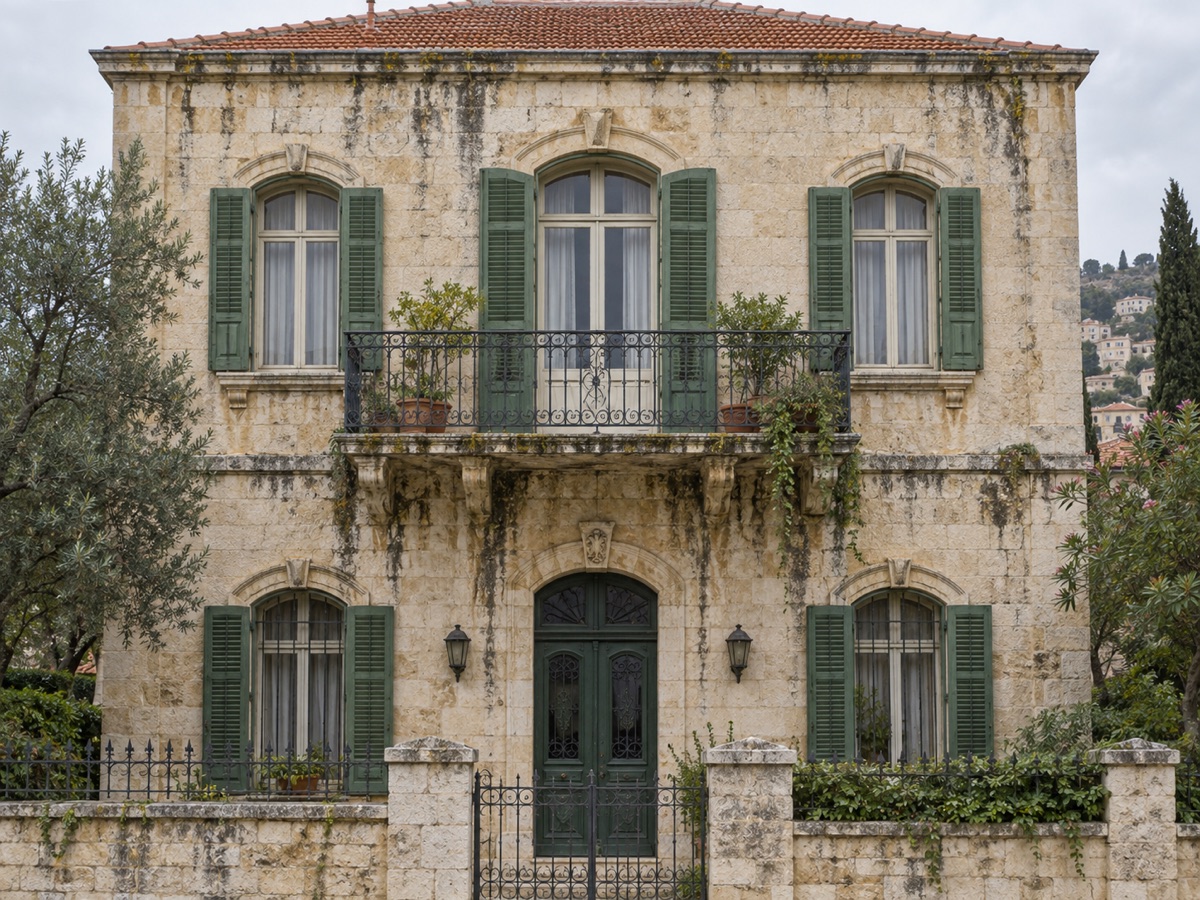
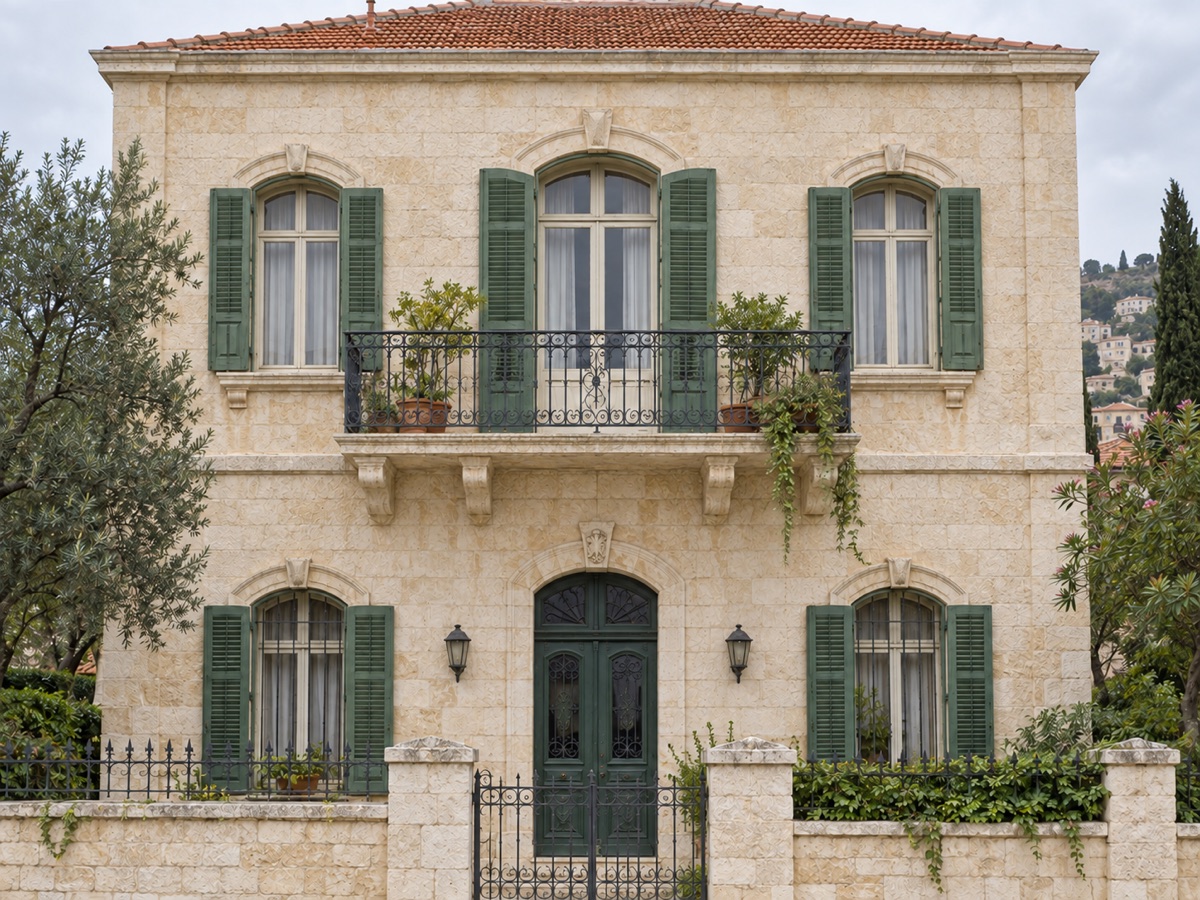
Finish visualisations
See the surface.
Move the line.
Results vary by surface
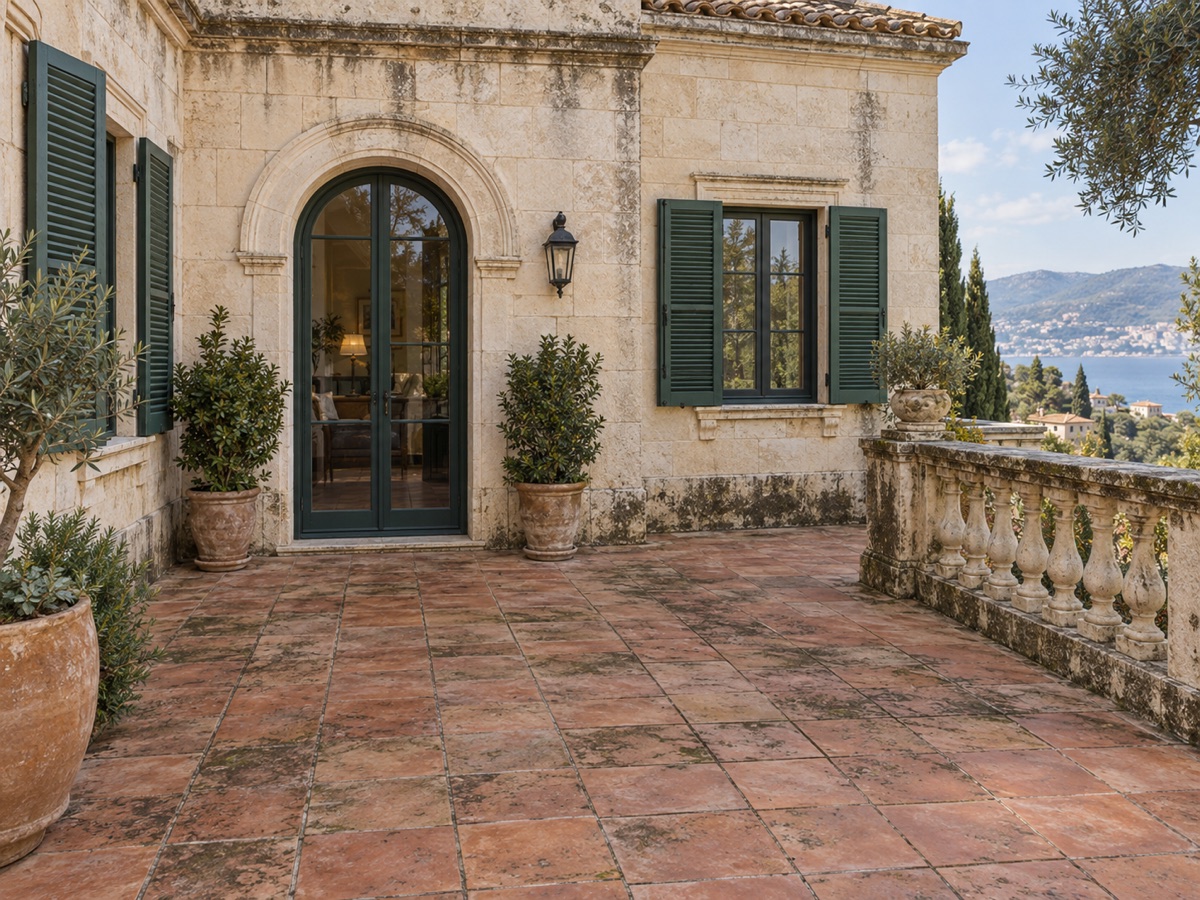
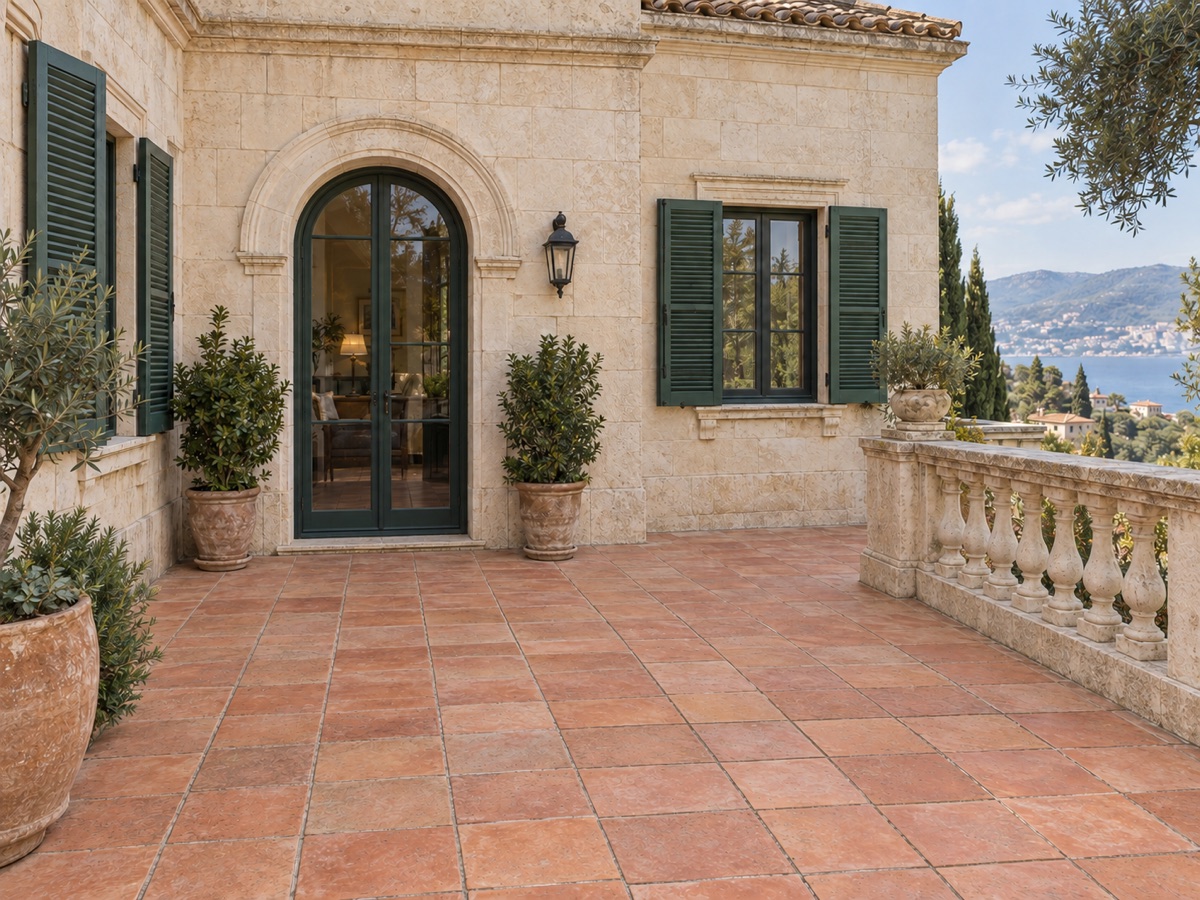
These treatment visualisations show potential finish differences. Final results depend on the material, contamination, condition and approved test patch.
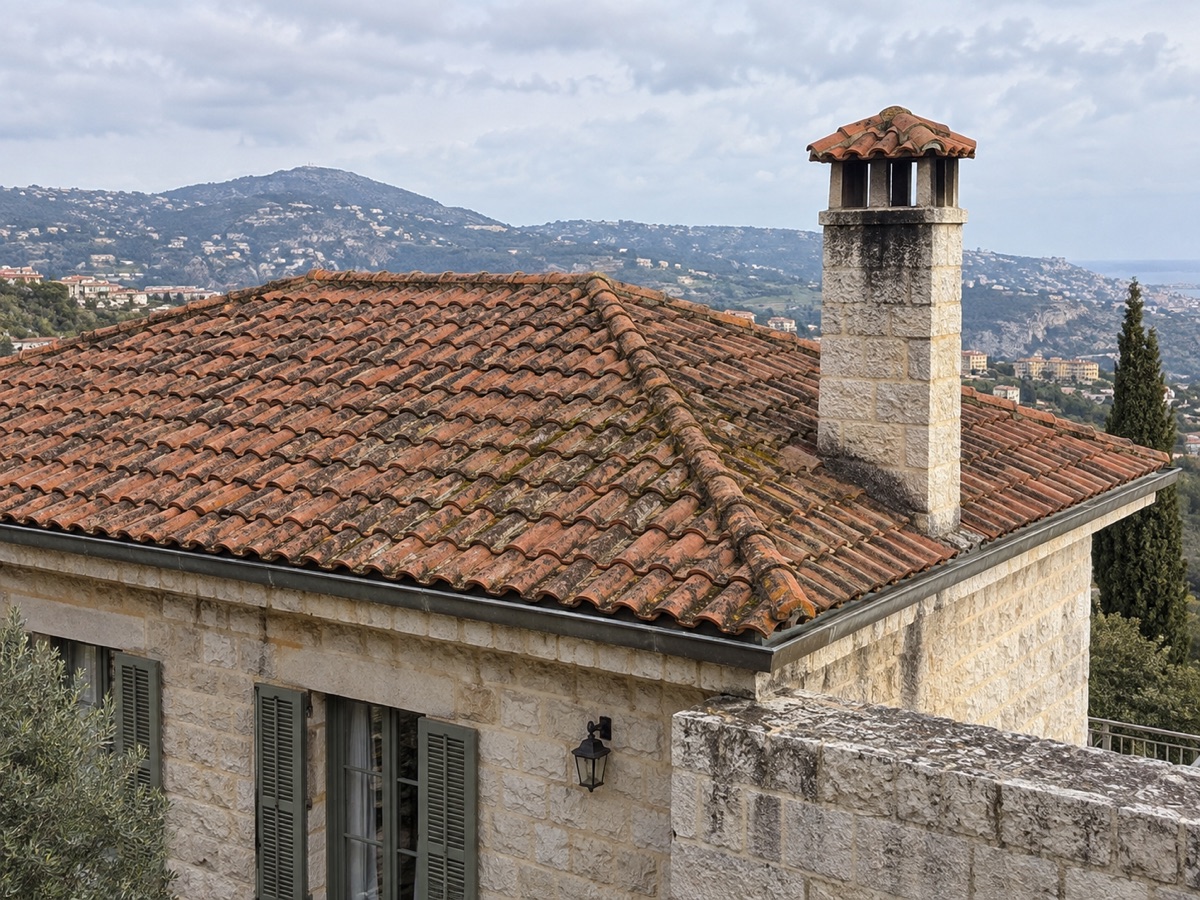
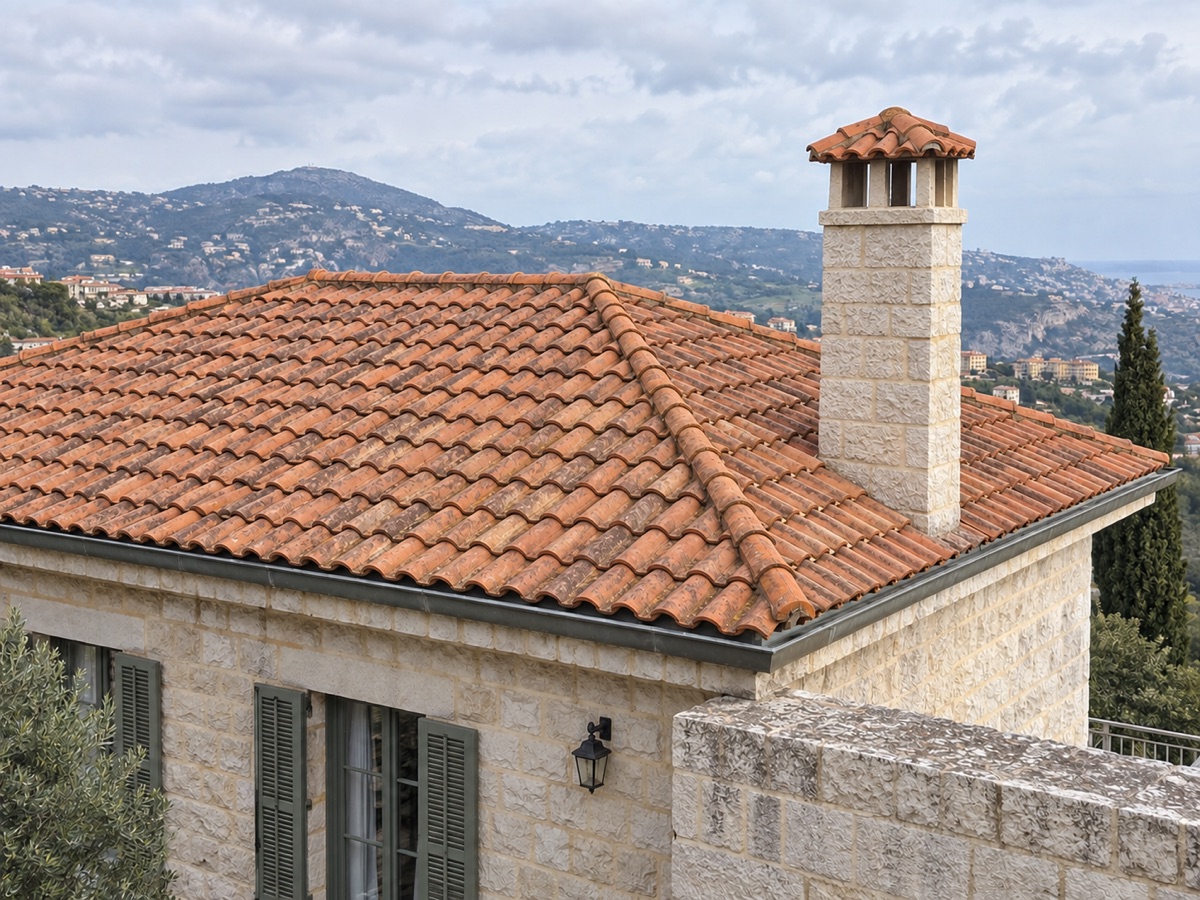
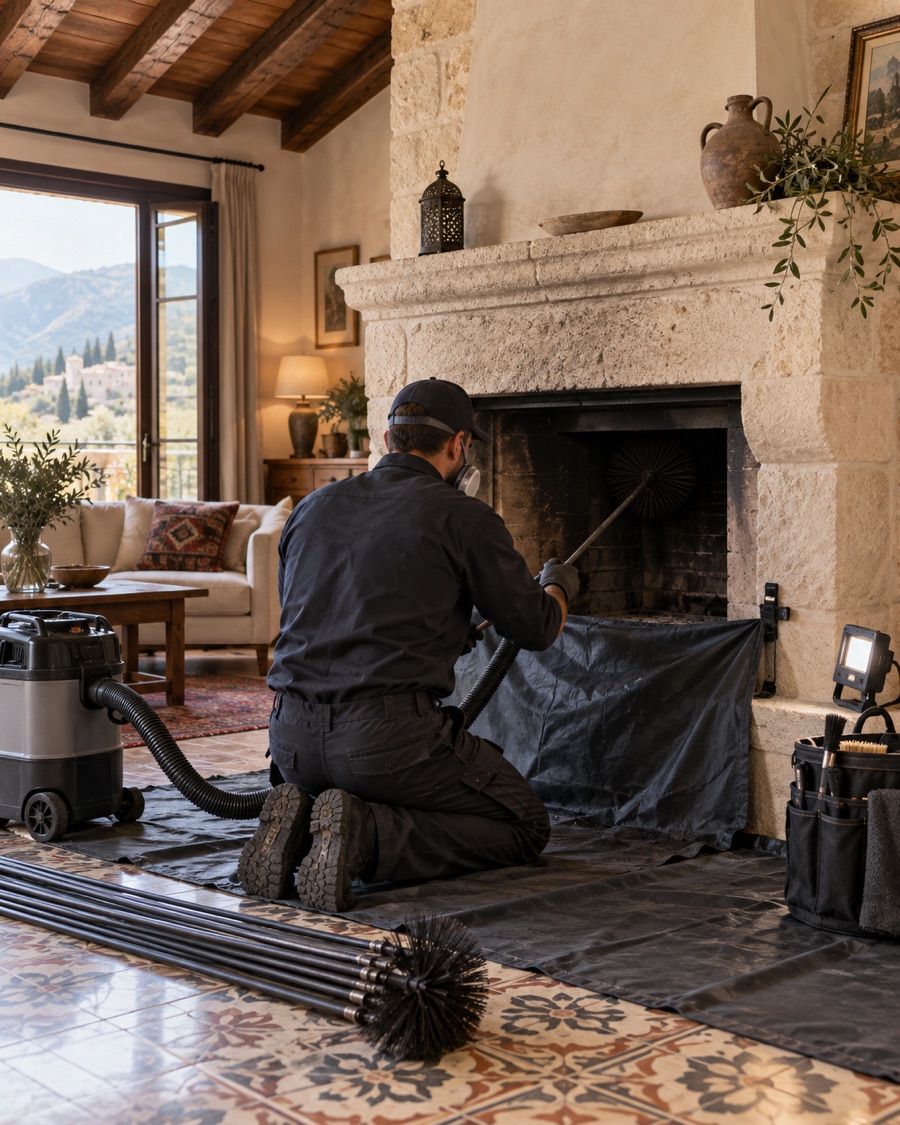 Interior protection is planned before work begins
Four-step process
A lasting result starts before the machine.
- 01Send photos & location
Show the full elevation, close-up staining and access around the site.
- 02Inspect & test
We identify material risks and test the least aggressive suitable method.
- 03Confirm the scope
You receive the method, inclusions, access needs and exclusions in writing.
- 04Restore & hand over
We protect adjacent surfaces, control the work area and review the finish.
04
Our commitments
Promises we can stand behind.
These are operating commitments, not invented awards or performance statistics.
No full restoration before a test
A representative patch confirms the chosen method and expected finish.
No hidden scope changes
Any discovery that affects the plan is discussed before additional work proceeds.
No careless pressure
Restoration settings are selected for the substrate, mortar, coatings and condition.
No false project claims
Only consented, verified customer work and feedback should appear on the live site.
Questions
Before we touch the surface.
Every site is different. These answers explain how we approach the first assessment.
Is laser restoration suitable for every stone?
No. Laser settings, stone composition, surface finish and contamination all matter. We inspect and test before recommending it.
Can restoration be planned while a property is occupied?
Sometimes, depending on access, noise, dust or soot containment and safe separation from the work area. Occupancy is reviewed during assessment; we do not assume work can proceed around residents.
How do you protect interiors from soot?
Before chimney or hearth work, we plan floor and furniture protection, isolate the work zone and establish suitable soot containment. If containment cannot be established, work does not proceed.
Will the project need scaffolding or special access?
Access is project-specific. We review height, roof edges, balconies, the equipment route and available working space before confirming whether ladders, scaffolding or a lift belongs in the written scope.
When will I receive an assessment?
The assessment begins with your photos and location. Any site visit and written scope depend on access, surface complexity and whether a test patch is needed, so no fixed response or start time is promised online.
When is another specialist required?
Structural cracks, unstable masonry, water ingress, flue or fire-safety concerns, suspected hazardous materials and roof repairs can fall outside surface treatment. We stop and identify the relevant specialist before proceeding.
When is steam restoration preferred?
Steam can suit organic growth and atmospheric dirt where low pressure and controlled heat are appropriate. Drainage and nearby finishes are assessed first.
Which areas of Lebanon do you cover?
Coverage is assessed by project and access. Send the municipality or nearest landmark with your photos so travel can be confirmed in the quote.
Can you price from photos?
Photos help us qualify the work, but complex, high-access or heritage surfaces may require a site visit before a firm scope can be issued.
Request a restoration assessment
Show us what the surface is telling you.
Send the area, material and condition. For the fastest assessment, include wide and close-up photos in WhatsApp after submitting your request.
How the handoff works
From request to test patch.
- 01WhatsApp opens with your request
The guided form prepares WhatsApp and securely hands a structured copy to Levant Surface Restoration when CRM delivery is enabled. Form details are never sent to analytics.
- 02Add three useful views
Attach one full-surface view, one close-up of the condition and one photo showing access around the work area.
- 03Assessment before treatment
Photos help qualify the request. A site inspection or test patch may still be required to confirm material response, settings and a realistic finish.
What if the test patch is not suitable?
Send photos for assessment Websites cannot attach selected files to WhatsApp automatically. Add the photos inside WhatsApp before sending.We stop and reassess the method or identify another specialist. Full treatment does not proceed from photos alone or without an acceptable test area.

Prefer email?sales@profitechsarl.com